
KairosCRO Services LLC · Austin, TexasLeadershipInstitutional partnershipsContactTeam Vault
CLINICAL RESEARCH. CONNECTED.
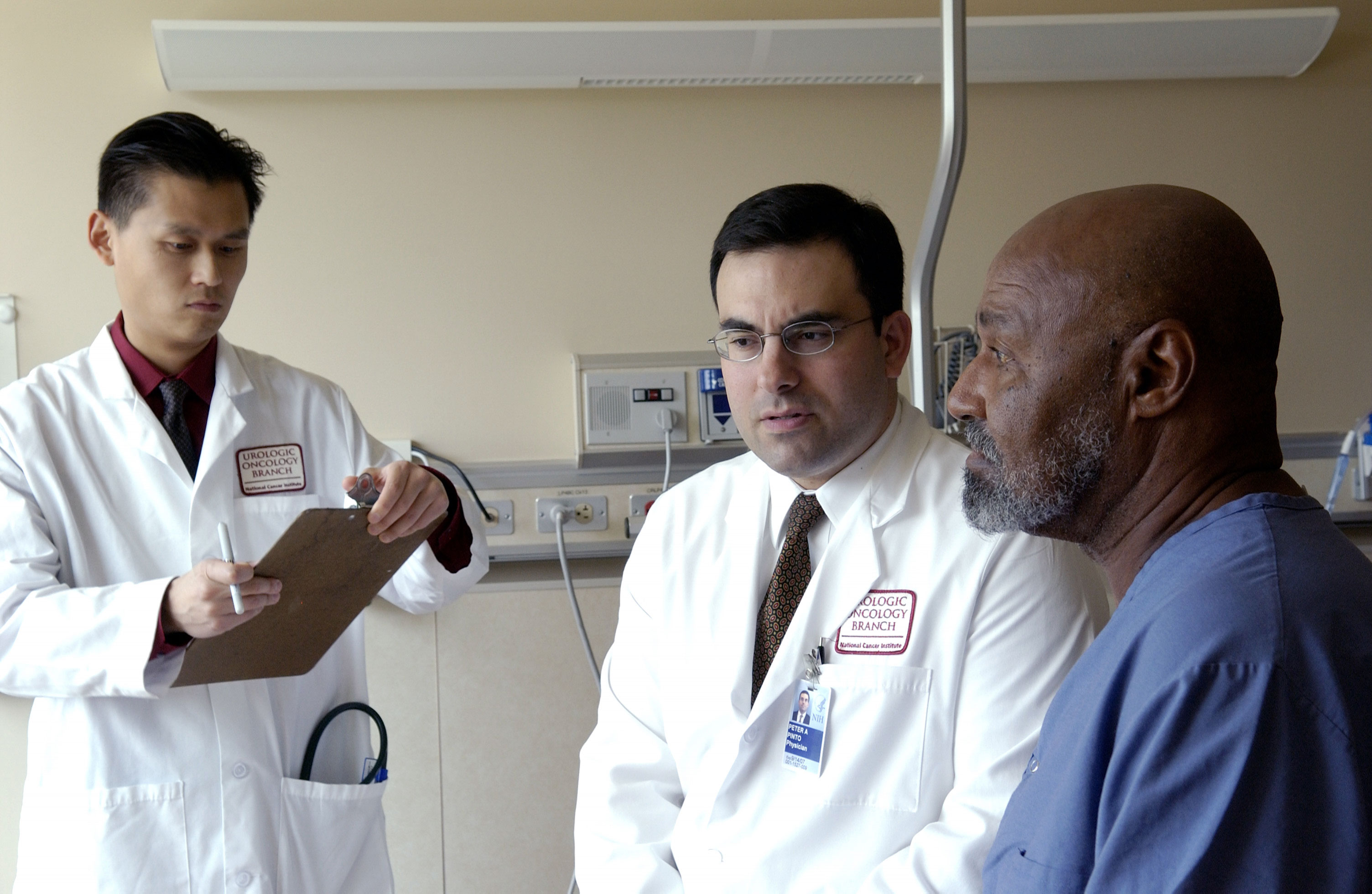
Clinical research context; illustrative photography

THE SITE NETWORK

A network is only as strong
as its connections.

Our proposed dedicated and integrated models connect study requirements with institutional expertise. Every engagement begins with a protocol-specific feasibility assessment.

Two models.
One accountable approach.

Operational structure is selected for the study. Participation, geography, resources, and responsibilities are subject to partner qualification and signed agreements.

01 / DEDICATED MODEL

Focused site operations

Dedicated study teams and agreed workflows provide a structured route for coordinating trial activity within qualified sites.

  • Defined roles and study escalation pathways
  • Protocol-specific staffing and readiness planning
  • Consistent documentation and oversight processes
Read the site-model page
02 / INTEGRATED MODEL

Institutional collaboration

Research coordination is designed around the institution’s existing clinical environment, investigator responsibilities, and local requirements.

  • Institution-led clinical expertise
  • Coordinator integration where contracted
  • Central coordination with local accountability
Read the site-model page

NETWORK TRANSPARENCY

Evidence before
assumptions.

No individual hospital, investigator, or active study is represented here without verification.

Protocol-specific feasibility comes before any commitment to network scale.

FROM FEASIBILITY TO FIT

Start with the protocol.
Then define the footprint.

01

Understand

Discuss the population, indications, study design, geography, and delivery expectations.

02

Evaluate

Assess institution fit, investigator availability, operational readiness, and local requirements.

03

Align

Agree the qualified sites, scope, responsibilities, governance, and study-specific milestones.

Request a feasibility discussion

SITE MODEL COMPARISON

Dedicated vs. integrated.
Choose for the study.

Compare proposed coordination structures. Neither model guarantees a faster start-up or better recruitment. Qualification and written agreements determine the actual arrangement.

Dedicated and integrated clinical site planning models
Planning considerationDedicated modelIntegrated model
Operational structureStudy-focused coordination with defined roles and agreed workflows.Coordination shaped around the institution’s existing clinical environment.
Investigator responsibilitiesInvestigator responsibilities remain explicit in the study arrangements.Investigator responsibilities remain explicit alongside institutional processes.
StaffingProtocol-specific roles and capacity are qualified for the engagement.Coordinator integration and capacity are agreed with the institution.
Start-up dependenciesReadiness, documentation and resource dependencies require assessment.Institutional processes, readiness and resource dependencies require assessment.
Governance and escalationAgree study-level owners, oversight and escalation contacts.Agree central coordination, local accountability and escalation contacts.
Protocol and indication fitAssess the specific protocol; no therapeutic-area advantage is assumed.Assess the specific protocol; no therapeutic-area advantage is assumed.

Dedicated model details · Integrated model details

START A CONVERSATION

Your protocol.
Our starting point.

Tell us what your study needs. Together, we can define the right scope, responsibilities and next steps.

Discuss your study